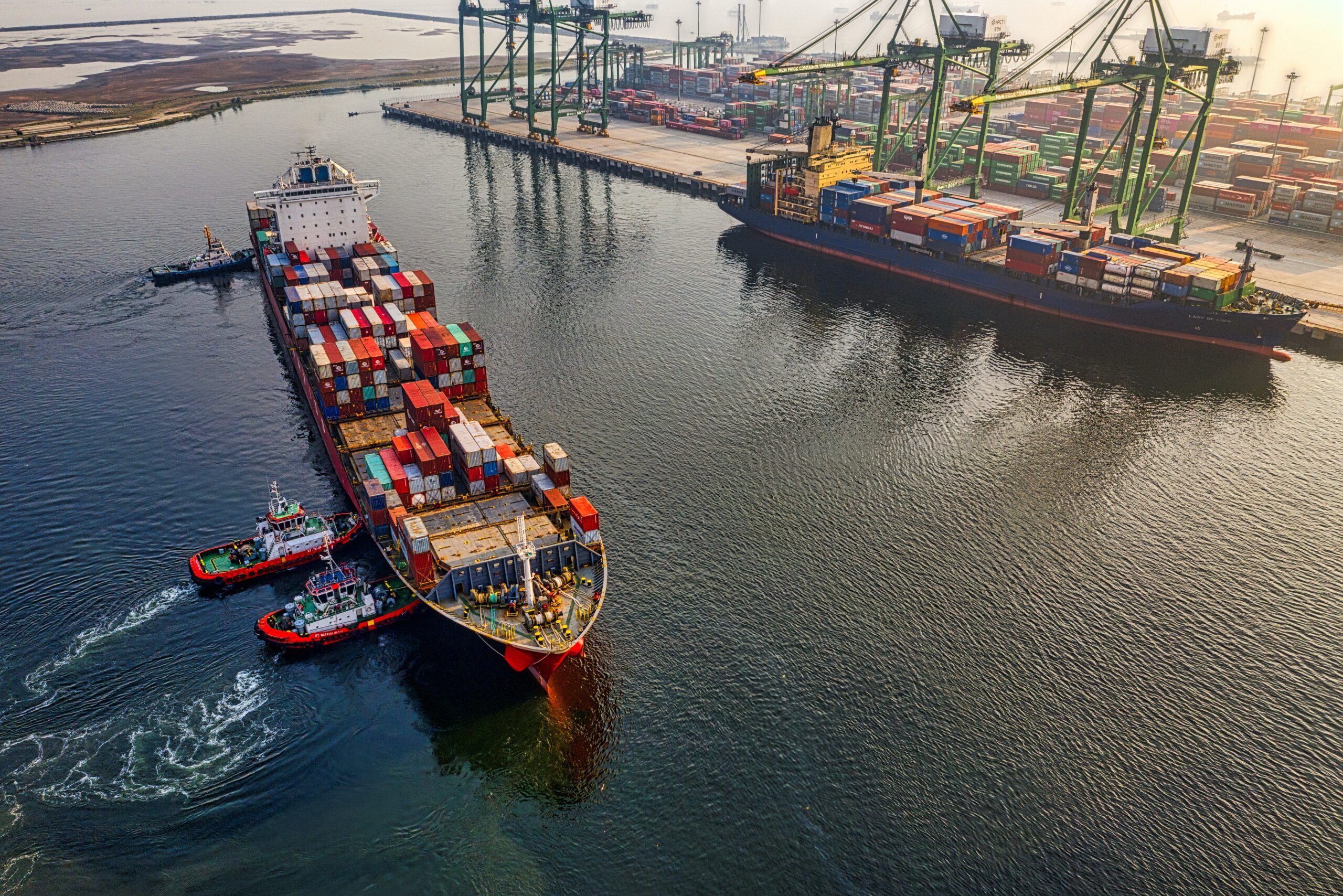
A confusing process for many beginner shippers is understanding how to import construction materials into the U.S. Examples of these materials include steel, lumber, cement and concrete products, tile, stone, and other materials used in construction. A 2023 estimate found that around 32% of building materials used in the U.S. were sourced from overseas. Companies may source building materials internationally from countries like China for reasons such as price, product availability, or access to particular manufacturers, although freight, duties, and other import costs need to be considered when calculating the total landed cost.
While importing may seem attractive, there are many precautions that the shipper must take beforehand. This article will be a brief introduction to bringing construction cargo to the U.S. For more information on starting, contact A1 Worldwide Logistics at 305-821-8995 to speak to a freight forwarder.
If you already have building materials on the way to the U.S. and need help with clearance or transportation, see our construction material import services.
What Duties and Tariffs Apply to Construction Materials?
There is no single duty rate for construction materials. The amount due depends on the product’s HTS classification, country of origin and whether any additional trade measures apply.
Steel, aluminum and certain derivative products can be subject to Section 232 tariffs. The Section 232 treatment expanded significantly in 2025, so importers should check whether the exact HTS classification and material content fall within the current scope rather than relying on an older tariff rate or product list.
Another area to check is antidumping and countervailing duties (AD/CVD). These can apply to specific products from particular countries and can significantly increase the cost of an import. Construction products such as certain steel products, quartz surfaces and ceramic tiles have been subject to AD/CVD measures.
Before placing a large order, it is worth confirming the HTS classification and checking whether any additional tariffs or AD/CVD orders apply to the specific material and country of origin.
Country of origin can also affect the duties that apply. For some products, simply shipping the goods through another country does not change their origin for customs purposes. Importers should make sure the declared country of origin accurately reflects where the product was manufactured or substantially transformed.
Do Different Building Materials Have Different Import Requirements?
Yes. The requirements can vary considerably depending on what you are importing.
- Steel and aluminum: Check the HTS classification carefully and determine whether Section 232 or any antidumping or countervailing duties apply.
- Wood and lumber: Some imported wood products are subject to USDA APHIS requirements, and a Lacey Act declaration may also be required depending on the product and classification.
- Tiles and stone: Duty rates and additional trade measures can vary by material and country of origin. Some ceramic tile and engineered stone products have been subject to antidumping or countervailing duty measures.
- Wood packaging: Pallets, crates, and other regulated wood packaging used to transport construction materials must comply with U.S. ISPM 15 requirements.
The requirements should be checked for the actual product being imported rather than assuming that all construction materials are treated in the same way.
What Should You Check Before Importing Construction Materials?
Shippers must consider any trade or import restrictions that apply to the product and country of origin. For goods sourced from China, one example is the Uyghur Forced Labor Prevention Act (UFLPA). Goods mined, produced or manufactured wholly or in part in Xinjiang, or by an entity on the UFLPA Entity List, are subject to a rebuttable presumption that they are prohibited from U.S. importation.
Importers should also confirm the U.S. requirements that apply to the actual material before placing the order. In the U.S., Customs and Border Protection oversees the Customs entry, while other agencies can have requirements for particular products. Choosing a reliable supplier and obtaining accurate information about the material, manufacturer, and country of origin can make the entry process much easier.
What Documents Are Needed to Import Construction Materials?
Before the freight leaves the supplier, the importer should make sure the customs broker has the information and documents needed to prepare the entry.
A typical commercial shipment may involve:
- Commercial Invoice
- Packing List
- Bill of Lading or Air Waybill
- Arrival Notice or carrier arrival information, where applicable
- Any product-specific permits, certifications or other government-agency documentation that applies
Product descriptions should be specific enough to identify and classify the material. Details such as the material, finish, intended use, country of origin, quantity and value can be important when determining the correct Customs treatment.
For applicable ocean shipments, Importer Security Filing (ISF) requirements also need to be addressed before the cargo is loaded at the foreign port.
See our guide to documents used in customs clearance for more information.
Since construction materials often ship in large quantities, a formal customs entry may be required. A formal entry is generally required for commercial imports valued at more than $2,500, although the type of merchandise and other agency requirements can affect how the entry is handled. A Customs bond is required for formal entries, and certain goods regulated by other federal agencies can also require a bond regardless of value.
How Are Construction Materials Shipped and Imported Into the US?
Once the supplier and import requirements have been confirmed, the next step is arranging transportation to the United States.
Ocean freight is commonly used for large or heavy construction-material shipments. Depending on the cargo, materials may move in standard containers, open-top containers, flat racks, or as breakbulk cargo. Air freight may be suitable for smaller or time-sensitive shipments.
When the shipment enters the United States, the customs entry is filed using the correct HTS classification and applicable duties and fees are calculated. CBP or another government agency may request additional information or examine the cargo before release.
Once Customs releases the shipment, the materials can be collected from the port or terminal and transported to their final destination.
Common mistakes when importing construction materials include using an unverified supplier HS code, providing vague product descriptions, declaring the wrong country of origin, overlooking additional tariffs or AD/CVD duties, and waiting until the goods have shipped to check the import requirements.
Importing Construction Materials with A1 Worldwide Logistics
Any cargo entering the U.S. risks being held up at customs before being released. This can be due to many reasons, such as poorly completed paperwork and unpaid duties. If the shipment goes smoothly and the filing is correct, customs will release the goods to the importer. While the import process may be complex, hiring a customs broker streamlines the process. A broker coordinates with U.S. Customs to ensure the release of your cargo. To speak to one of our experienced customs brokers, contact A1 Worldwide Logistics at 305-821-8995.
Regulatory note: This guide provides general information and is not legal advice. U.S. import rules and agency requirements can change and may vary by product, country of origin, and shipment. Importers should confirm current requirements with the relevant U.S. agency and, where appropriate, a licensed customs broker or legal adviser before shipping.