Importing a car from Japan can be an attractive option for collectors, businesses and individual buyers looking for vehicles that may be difficult to find in the United States. However, the process can become expensive if the vehicle’s U.S. eligibility, Japanese export documents or shipping requirements are not checked before purchase.
Japan remains one of the world’s largest vehicle exporters. The Japan Automobile Manufacturers Association reported 4.22 million four-wheeled vehicle exports in 2024, including approximately 1.60 million to North America.
For U.S. buyers, the first question should not be how much the car costs in Japan. It should be whether the particular vehicle can legally be imported into the United States.
This guide explains the 25-year rule, JDM eligibility, Japanese export paperwork, RoRo and container shipping, U.S. Customs documents and what happens after the car reaches the United States.
For the requirements that apply to vehicles regardless of country of origin, see our broader guide to how to import a car into the U.S..
Can You Import a JDM Car From Japan Into the U.S.?
Yes, but the import requirements depend heavily on the vehicle’s actual date of manufacture and whether it was originally certified to U.S. standards.
For many Japanese Domestic Market (JDM) vehicles, the most important rule is NHTSA’s 25-year exemption. A motor vehicle that is at least 25 years old from its date of manufacture can generally be permanently imported without having to comply with the Federal Motor Vehicle Safety Standards.
This means there is no permanent cutoff such as “1997 or newer.” The pool of eligible JDM vehicles changes every month as individual cars reach 25 years from their manufacture date.
A car manufactured in October 2001, for example, does not qualify under the 25-year NHTSA provision until October 2026. The model year alone is not enough.
Vehicles under 25 years old are not automatically impossible to import. A younger vehicle may already have been built and certified for the U.S. market, or a nonconforming vehicle may qualify for import through a NHTSA Registered Importer or another applicable exemption.
However, buyers should establish the import basis before paying for and shipping a younger JDM vehicle.
Does the EPA 21-Year Rule Apply to Japanese Cars?
EPA emissions requirements are separate from NHTSA’s 25-year safety rule.
A qualifying vehicle that is at least 21 original-production years old may use EPA’s age-based provision where it remains in the required original configuration. EPA specifically states that the engine should be the same model and configuration as the engine originally installed.
An engine swap or other modification can therefore affect EPA eligibility even where the chassis is old enough.
Buyers should confirm both the NHTSA and EPA basis for entry rather than assuming that reaching one age threshold resolves every federal requirement.
What Documents Does a Car Need Before Leaving Japan?
A used vehicle needs to be properly prepared for export under Japanese procedures before it can be shipped.
Japan Customs states that an owner exporting a registered used vehicle must first obtain a Certificate of Registration Deletion. Where the registration has already been deleted, the exporter instead needs to notify the authorities of the planned export and obtain a Certificate of Notice of Planned Export.
Japan Customs requires the appropriate certificate to be presented as part of the export process, and these certificates are valid for six months from issue.
The exporter or shipping agent will normally coordinate the Japanese export declaration and provide the commercial and transportation documents needed for shipment.
What Should You Check Before Buying a Car in Japan?
Before committing to a purchase, obtain enough information to establish the vehicle’s U.S. import eligibility.
At minimum, check:
- the exact month and year of manufacture
- VIN or Japanese chassis number
- make and model
- engine model and configuration
- whether the vehicle was originally manufactured for the Japanese or U.S. market
- whether significant engine or emissions modifications have been made
- whether the seller can provide the required ownership and Japanese export documentation
A model becoming “25 years old this year” does not necessarily mean every example is already eligible. The actual manufacture date matters.
If the car is less than 25 years old and was built for the Japanese market, establish whether a Registered Importer, Independent Commercial Importer, or another federal exemption would be required before buying the vehicle.
How Are Cars Shipped From Japan to the United States?
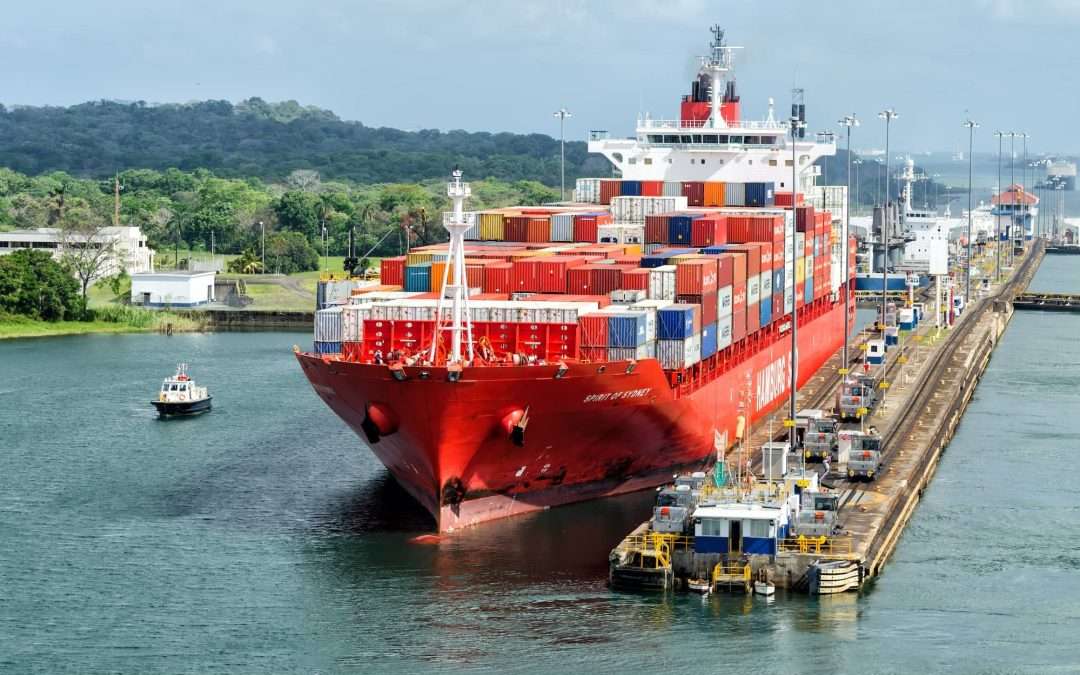
Most cars shipped from Japan to the United States move by ocean freight. The two common options are Roll-on/Roll-off (RoRo) and container shipping.
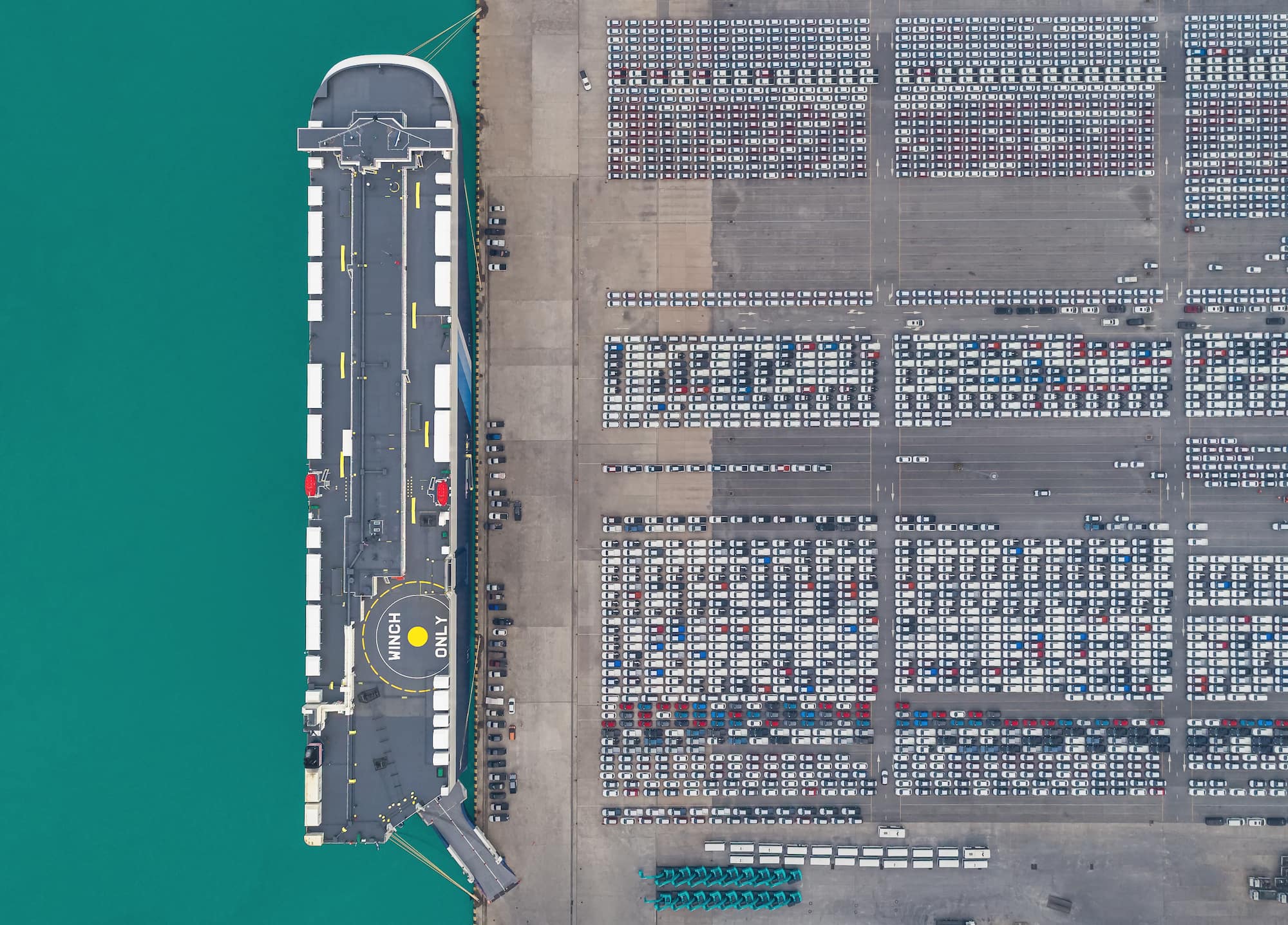
RoRo shipping allows an operable vehicle to be driven onto the vessel in Japan and driven off after arrival. It can be a practical option for ordinary vehicles on routes where RoRo service is available.
Container shipping places the vehicle inside a shipping container. This can make sense for high-value vehicles, cars that cannot use a RoRo service or shipments where additional cargo is being transported, subject to the carrier’s rules.
The better option depends on the car, Japanese departure port, U.S. destination port, condition of the vehicle, and available sailing services.
A1 can coordinate international vehicle shipping and the ocean transportation from Japan to the United States.
RoRo vs. Container Shipping From Japan
|
RoRo |
Container |
| Vehicle |
Normally needs to be operable |
Can suit operable or certain non-operable vehicles |
| Loading |
Driven onto vessel |
Loaded into container |
| Protection |
Vehicle travels on the vessel’s vehicle deck |
Enclosed within container |
| Availability |
Depends on route/port |
Depends on container service |
| Best choice |
Depends on car and route |
Depends on car and route |
Does a Car From Japan Need to Be Cleaned Before Shipping?
Vehicles should be thoroughly cleaned before shipment, particularly around the tires, wheel wells, and undercarriage.
Foreign soil is controlled because it can introduce plant pests, diseases, weed seeds, and other harmful organisms into the United States. USDA APHIS restricts the entry of foreign soil, so the vehicle should arrive free of soil and organic debris.
This is particularly worth checking on vehicles that have been stored outdoors or used in conditions where dirt can accumulate underneath the chassis.
How Do You Import a Car From Japan to the U.S.?
1. Confirm the Vehicle’s U.S. Eligibility
Check the manufacture date, NHTSA status and EPA basis for entry before purchase.
2. Purchase the Vehicle and Arrange Japanese Export Documents
Make sure the exporter can provide the ownership and Japanese deregistration/export documentation necessary to ship the vehicle.
3. Choose RoRo or Container Shipping
Arrange transportation from the Japanese location to the export port and book the international ocean freight.
4. File the Required U.S. Import Information
Before arrival, the importer or customs broker should have the ownership, transportation, NHTSA and EPA information required for entry.
For vehicles arriving by ocean vessel, Importer Security Filing (ISF) also needs to be considered. CBP specifically confirms that RoRo cargo is considered break-bulk but still requires an ISF.
5. Clear the Car Through U.S. Customs
CBP processes the Customs entry and the applicable DOT and EPA declarations. The importer must also pay the duties and fees that apply to the particular vehicle.
A licensed customs broker can prepare the entry and coordinate the information required for Customs release.
6. Arrange Inland Delivery
Once the car has been released, it can be collected from the port and transported to its final destination.
A1 can also arrange trucking and final delivery where required.
7. Title and Register the Car
Federal Customs release and state registration are separate steps. Keep the Customs entry records and federal vehicle-import forms because they may be required by the state DMV when applying for a title and registration.
What Documents Are Needed to Import a Car From Japan?
The exact documents depend on the vehicle and the basis under which it is being imported, but a typical permanent import can involve:
- Japanese ownership/export documentation – including the applicable deregistration or planned-export documentation from Japan
- Bill of Sale or Commercial Invoice – showing the purchase and vehicle information
- Bill of Lading – issued for the ocean shipment
- DOT Form HS-7 – declaring the vehicle’s NHTSA import basis
- EPA Form 3520-1 – used for passenger vehicles, highway motorcycles and corresponding engines
- Importer Security Filing (ISF) – for applicable vessel shipments, including RoRo cargo
- CBP Customs entry documentation – including the entry record needed after clearance
- Additional compliance documents – where a vehicle is entering through a Registered Importer, ICI or another non-standard import route
Since paperwork tends to be one of the most challenging parts of the process, shippers usually hire a customs broker. Customs brokers coordinate with CBP and provide documentation, payments, and other transactions on your behalf. Once customs releases the vehicle, the importer can use a freight broker’s assistance to transport it to the final destination.
How Much Does It Cost to Import a Car From Japan?
The total cost is made up of more than the price of the car and ocean freight.
Depending on the vehicle and shipment, costs can include:
- vehicle purchase price
- transportation within Japan
- Japanese export and port charges
- RoRo or container freight
- marine insurance where arranged
- U.S. port and terminal charges
- customs brokerage
- Customs duties and additional tariffs
- examinations or storage where applicable
- inland delivery
- Registered Importer or ICI compliance work where required
- state title and registration costs
U.S. tariff treatment for automobiles changed substantially in 2025, including changes affecting vehicles from Japan. Older vehicles can also be treated differently under some of the additional automobile tariff provisions. For this reason, importers should have the specific vehicle and current tariff treatment checked before purchase rather than relying on an old fixed duty percentage.
A customs broker can review the vehicle classification, age, origin, and current Chapter 99 tariff treatment before the shipment is entered.
CBP issued a 2025 ruling on a Japan-origin 1999 Subaru Sambar confirming that vehicles meeting the applicable 25-year condition can fall outside the additional Section 232 automobile duty, while the vehicle’s ordinary classification and other applicable tariffs still need to be considered.
Common Mistakes When Importing a JDM Car
Common problems include:
- buying a car before checking its exact manufacture date
- assuming every car from a qualifying model year is already 25 years old
- assuming NHTSA’s 25-year exemption automatically resolves EPA requirements
- overlooking an engine swap or other modification that can affect EPA treatment
- shipping a younger JDM vehicle before establishing RI or ICI eligibility
- failing to obtain the Japanese export and ownership documents
- overlooking ISF requirements for a RoRo shipment
- shipping a vehicle with soil or organic material on the undercarriage
- relying on an outdated duty or freight estimate
- assuming federal Customs release automatically guarantees state registration
The best time to resolve these issues is before paying the Japanese seller and before the vehicle is booked for export.
Import a Car From Japan With A1 Worldwide Logistics
Importing a car from Japan is much easier to manage when the vehicle’s eligibility, Japanese export documents, shipping arrangements and U.S. entry requirements are checked before the car leaves Japan.
For vehicles arriving by ocean, Importer Security Filing requirements also need to be addressed on time. CBP may assess $5,000 in liquidated damages per violation for an inaccurate, incomplete or untimely ISF filing.
A freight forwarder and customs broker can help coordinate the transportation and Customs sides of the shipment, although the importer should still confirm that the vehicle itself is eligible under the applicable NHTSA and EPA requirements.
A1 Worldwide Logistics provides international vehicle transportation and U.S. customs brokerage for cars shipped from Japan to the United States.
If you already have a vehicle selected, it helps to have the make, model, manufacture date, VIN or chassis number, current location in Japan, and U.S. destination available when contacting us.
Our team can coordinate the international transportation, U.S. Customs entry, and final delivery where required.
For A1’s dedicated Japan vehicle-import service, see our car shipping and customs service from Japan.
Contact A1 Worldwide Logistics at info@a1wwl.com or 305-821-8995 to speak to our freight forwarders and customs brokers when beginning.
Regulatory note: This guide provides general information and is not legal or regulatory advice. Vehicle-import requirements and tariff treatment can change and may vary by vehicle, age, configuration, origin and intended use. Importers should confirm current requirements with NHTSA, EPA, CBP and, where appropriate, a licensed customs broker or qualified vehicle-import specialist before shipping.