What Are The Four 3PL Types?
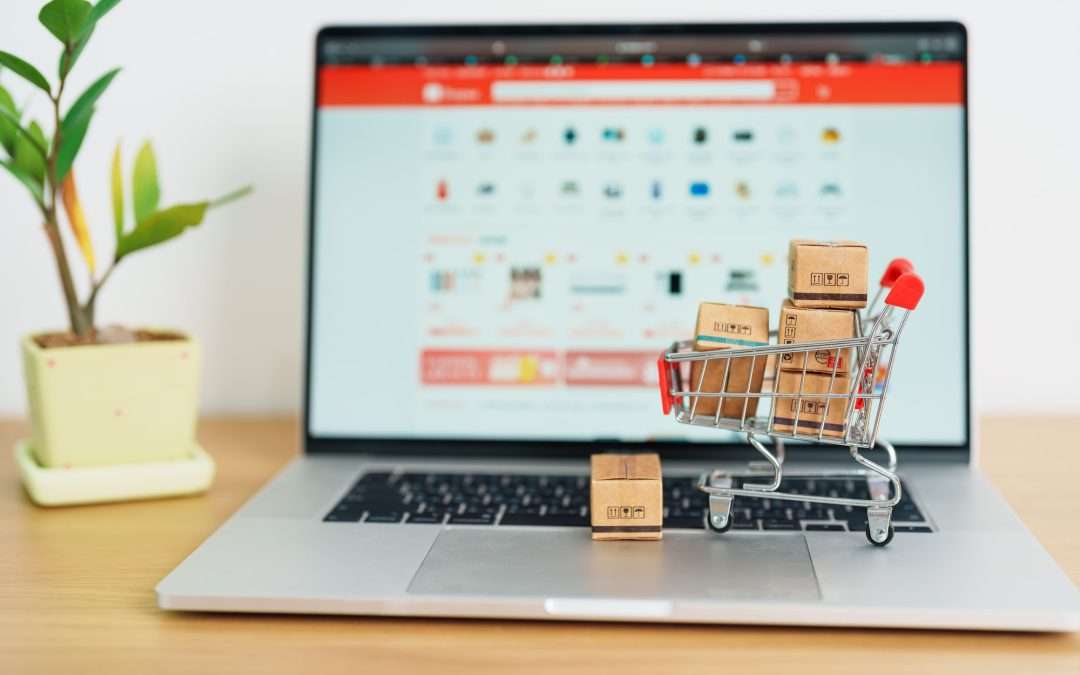
3PL or third-party logistics are outsourced solutions a company offers to its customers. This kind of operation has grown over the last decades due to the need for business to expand their reach. While 3PLs provide extensive services, some main ones include warehousing, shipping, and e-commerce fulfillment. 3PLs break down further into four categories. The four types of 3PL companies include standard, service developers, customer adapters, and customer developers. This article will introduce the 3PL and explain the differences and advantages between each.
Standard 3PLs
Standard 3PLs are known as the most common type of third-party logistics provider. This service is used by businesses requiring basic logistics needs like warehousing and storage. Small e-commerce companies also use this type of service for packing and picking at a low cost. Since the number of solutions offered is limited compared to the following three 3PLs, they tend to be less expensive. This is ideal for customers on a budget. As businesses expand, they usually switch to other 3PL types to achieve their goals.
3PL Service Developers
3PL service developers encompass all of the solutions that a standard 3PL has but add some more to it. Some of these services include IT Infrastructure and management. IT (Information Technology) infrastructure uses hardware and software to operate a business. An example is using a web server or app created by a 3PL company for customer order fulfillment. The IT framework also allows shipment tracking, cross-docking, extra security, and specific packaging.
3PL Customer Adapters
One of the most advanced 3PL service providers is known as customer adapters. Rather than having their own logistics operations, they take over and run their customer’s processes entirely. Adaptors control the end-to-end fulfillment supply chain of the hiring business by managing parts such as shipping and warehousing. This is ideal for scaling business since owners have little involvement, meaning they can focus on other aspects of their company. Customer adapters can be expensive compared to the other 3PLs due to the functionality provided to a client.
3PL Customer Developers
Similarly to customer adaptors, customer developers take control of a company’s logistics aspects. They differ since customer developers provide their systems while inheriting their client’s operations. Along with overseeing the procedures, they improve the performance of a business by giving constantly updated data. Large companies tend to be the primary users of this 3PL, which is usually the costliest option. A few of this 3PL type exist due to the size and complexity of maintenance.
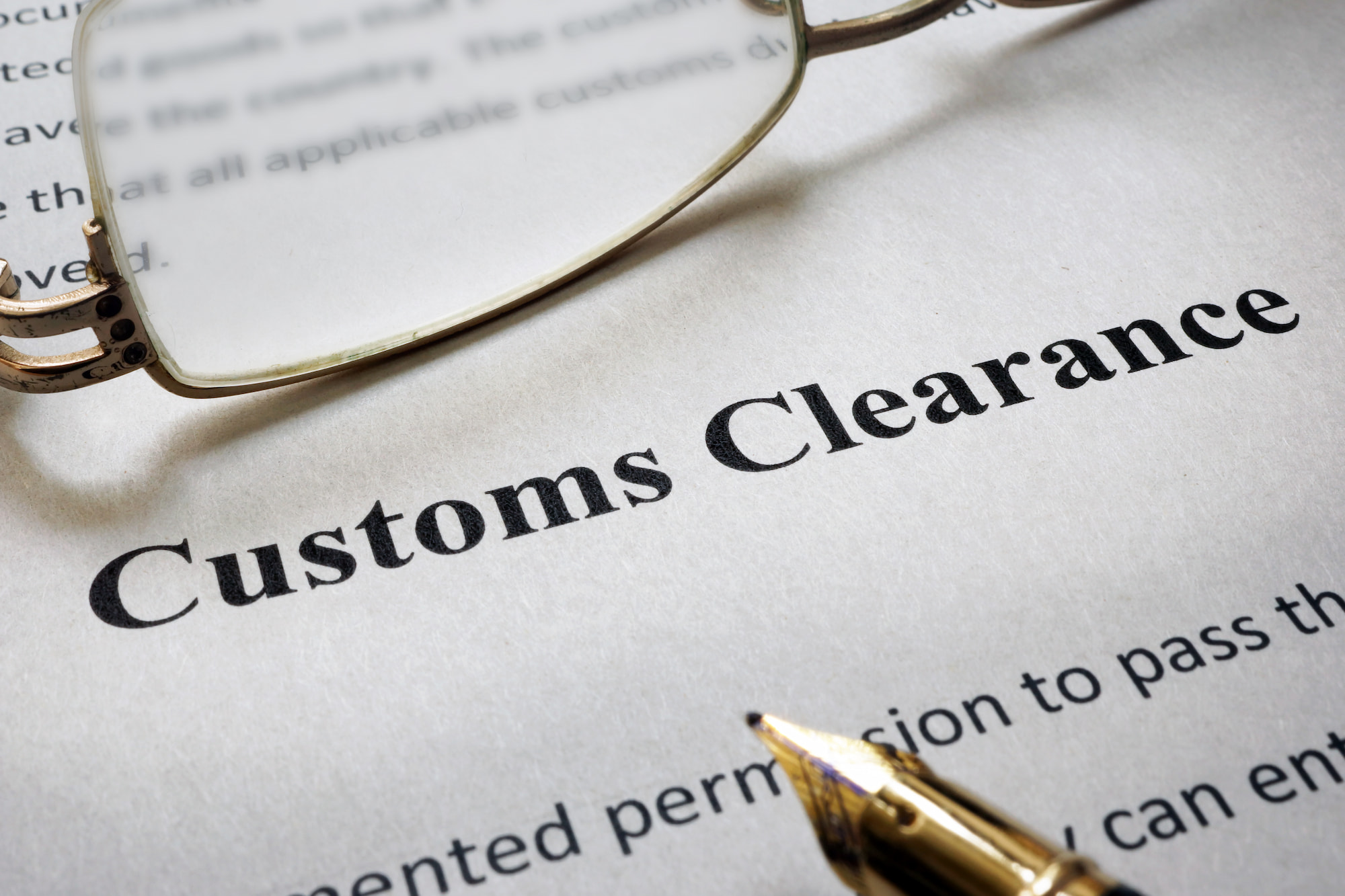
The 3PL industry has expanded over the last decades due to the number of solutions offered. This article listed a few of the services; however, the list broadens to options like customs clearance. 3PLs are the easiest way for companies to grow their operations and increase the provided to their customers. As e-commerce has become popular, so has the need for 3PLs for order fulfillment. Contact A1 Worldwide Logistics at 305-821-8995 or info@a1wwl.com to learn more about our numerous 3PL solutions. We can help you achieve your objectives no matter the size of your business.