What Are Cross-docking and Trans-loading Services?
Warehousing services have evolved over the past decades to meet the customer’s needs. Two solutions that have grown into essential pieces of the supply chain puzzle are cross-docking and trans-loading. Both of these services help streamline supply chains and reduce costs; however, they differ in how they accomplish this. Here you will learn which one is best for your shipping goals.
Cross-docking
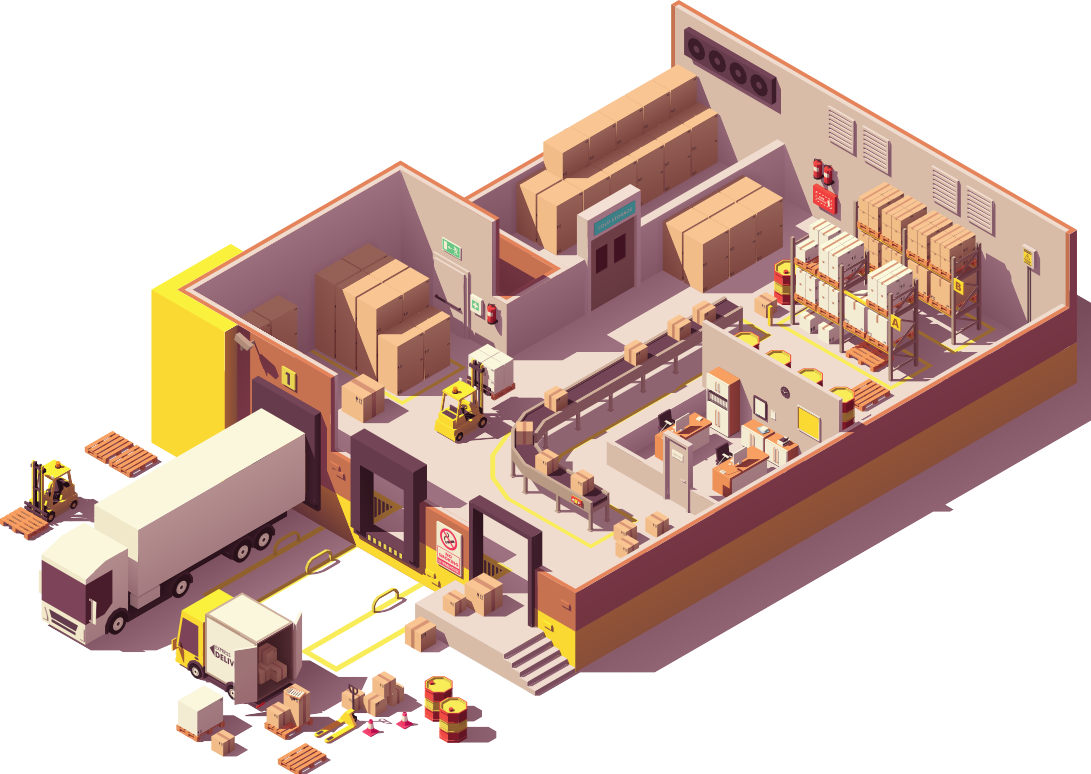
When containerized cargo reaches a warehouse, cross-docking is the unloading of the shipment from one truck to another. When the lumper unloads the freight, it is not stored away or re-palletized and stays briefly before being loaded onto another truck. Speed is a critical factor since customers expect their goods on time. An example of a cross-docking user is a smaller-sized company that wants to have leverage on a larger company. Another significant usage of cross-docking services is to move perishable goods like meat and fruits in a quick manner.
There are many benefits to cross-docking, and one of the most important is saving time. Since the goods are already palletized, they may be immediately transferred to a truck and moved to the next destination. This removes the requirement of storage space which also helps the shipper save time and money. Transport costs are saved by having an FTL shipment arrive at a facility and broken down into smaller LTL shipments. Reduced handling times help lower the chances of damage and theft.
Trans-loading
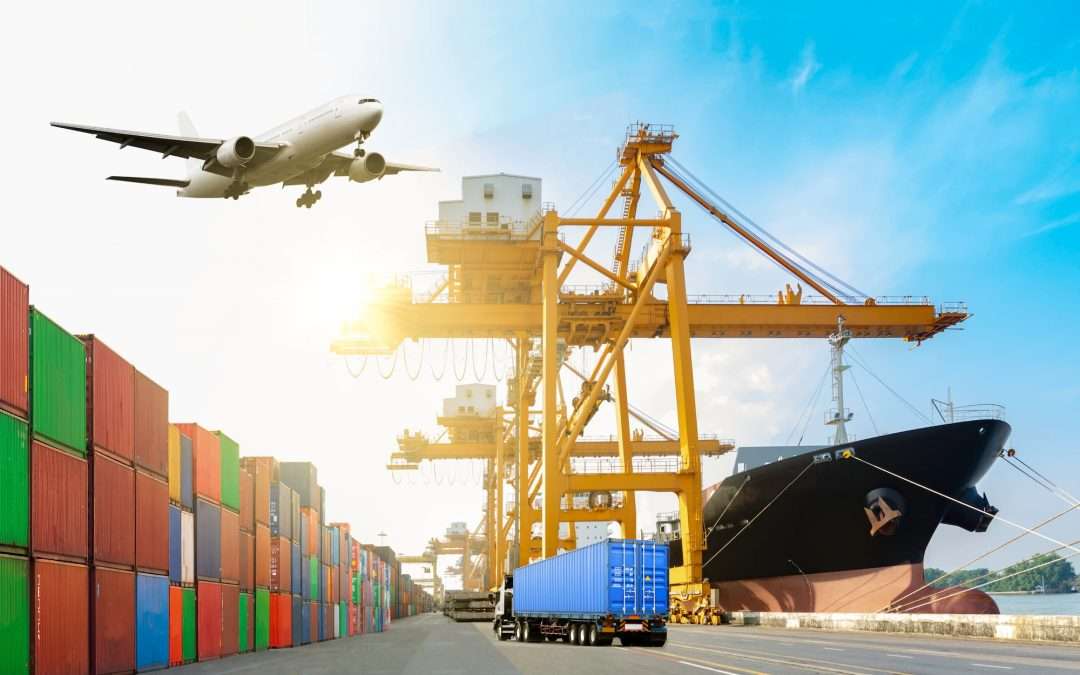
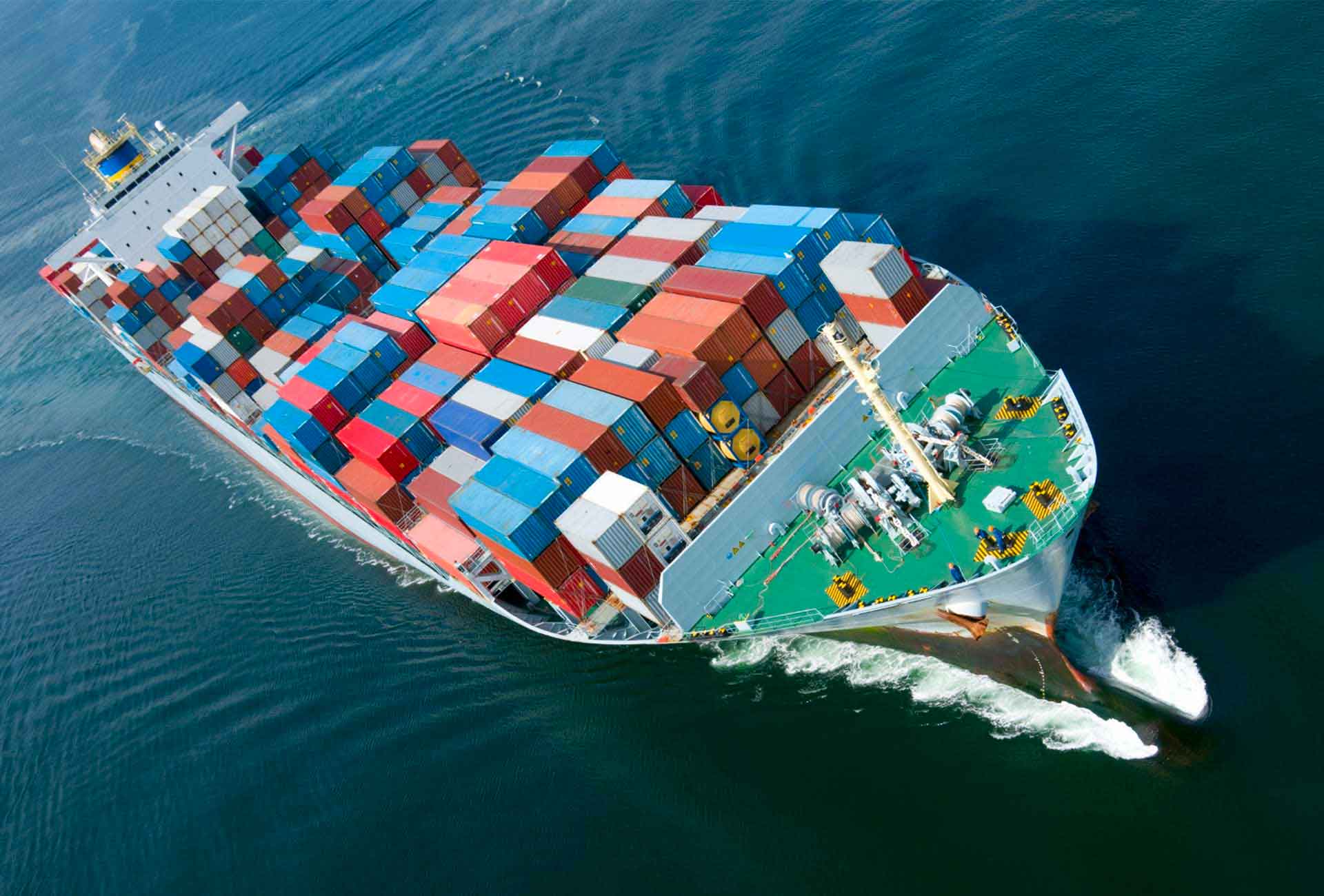
 Trans-loading is moving freight from one mode of transportation to another. Unlike cross-docking, which is only truck to truck, trans-loading is transporting cargo between trucks, rail, ships, or planes. An example can be when a containership arrives at a port and is moved to a warehouse by truck. The warehouse is the trans-loader that may sort, pack, and palletize the freight before being reloaded and moved again. Trans-loading differs from intermodal transport since the cargo does not stay in the same container the entire journey.
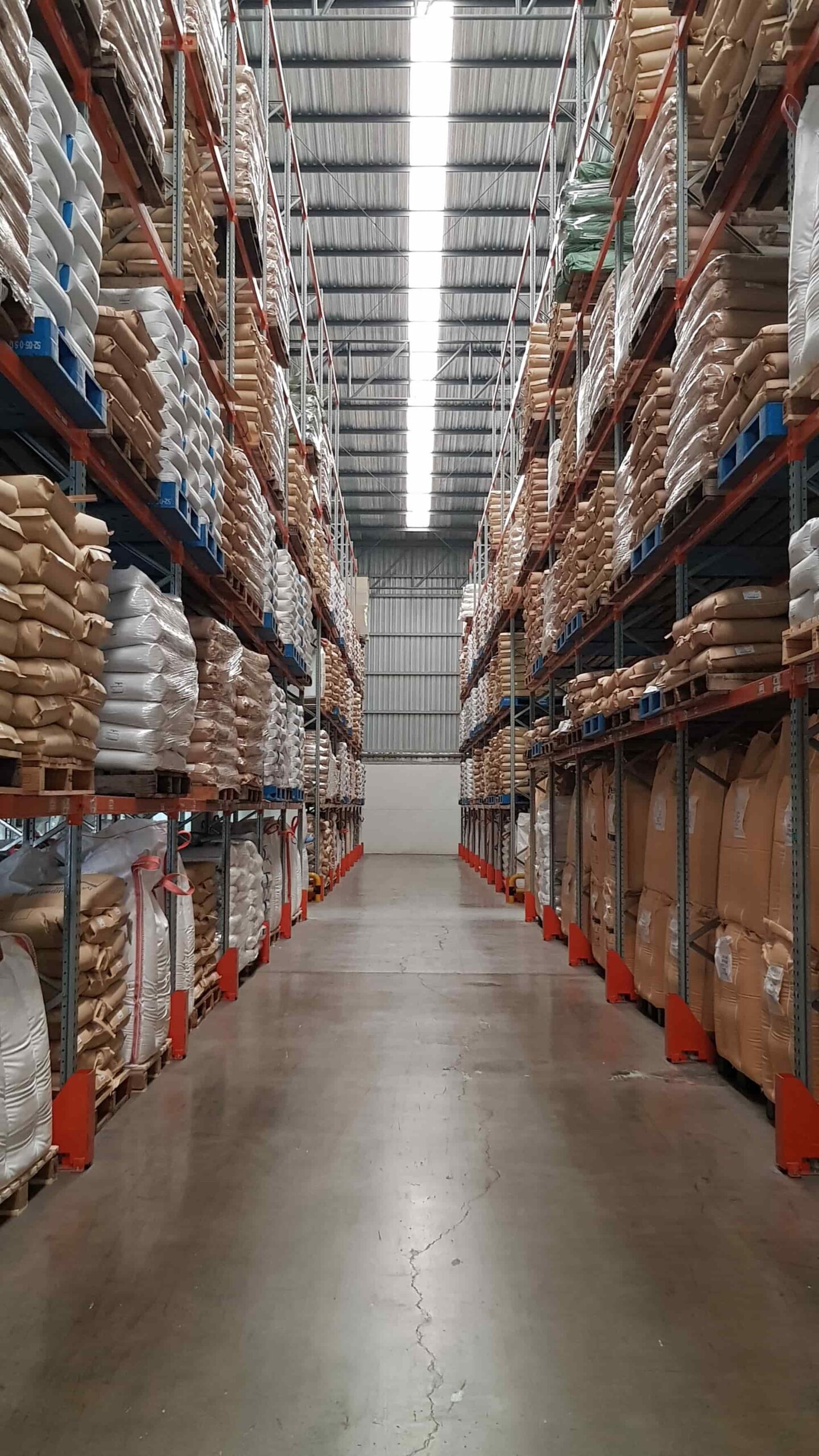
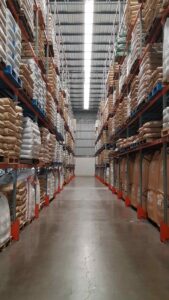
Trans-loading uses more modes of transport than cross-docking, and freight may be re-palletized and stored, unlike cross-docking. It also has several benefits in a supply chain. A shipper saves transport costs since multiple smaller shipments are consolidated into one trailer and have a single journey. Warehouses that offer trans-loading services also usually have storage space for cargo. If the shipper plans to sell the goods, they may store them away until they find a customer. The overall supply chain is also streamlined since the trans-loading facility breaks down and delivers the goods on-site.
Having the trans-loading activities for multiple shipments done on-site is quicker than going to a separate distribution facility. Along with cross-docking and trans-loading, A1 Worldwide Logistics offers various other solutions for your warehousing needs.
Contact us at 305-821-8995 or write to info@a1wwl.com for a free quote and to enhance your supply chain.