Shipping Perishables By Sea
Technological advancements have led to a recent growth in shipping perishables by sea. Perishables can spoil or decay if not transported by the carrier under a specific temperature and time. This can include cargo like fresh produce, dairy, pharmaceuticals, meat, flowers, and more. When people think about how perishables are transported internationally, air is the first thing they tend to imagine. The reason is the airplanes’ quickness to move freight internationally. Despite this, transporting these shipment types by sea has grown due to its advantages. Understanding the shipping process is crucial to the shipment’s success when moving perishables by the ocean.
What Is The Difference Between Shipping Perishables By Sea Vs Air?
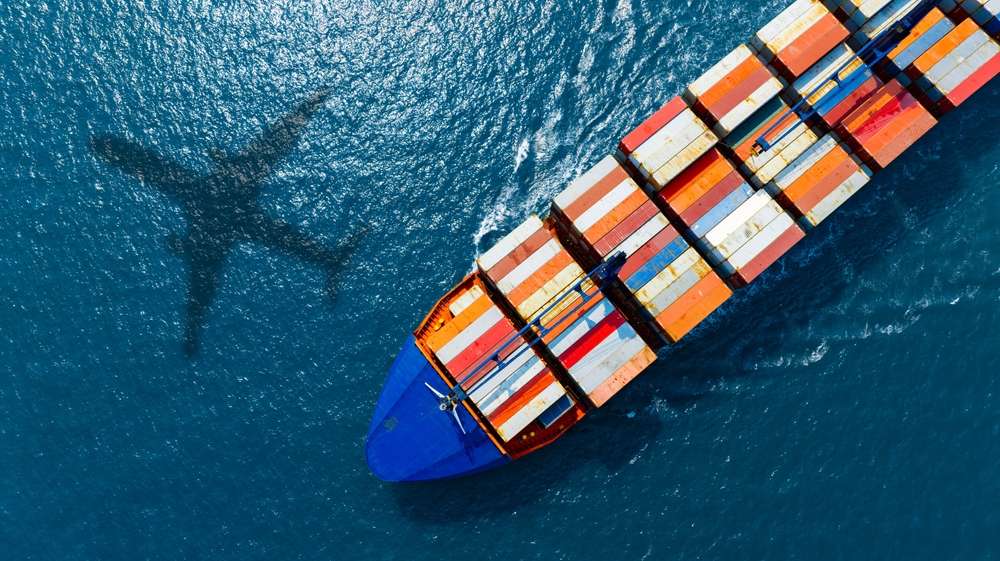
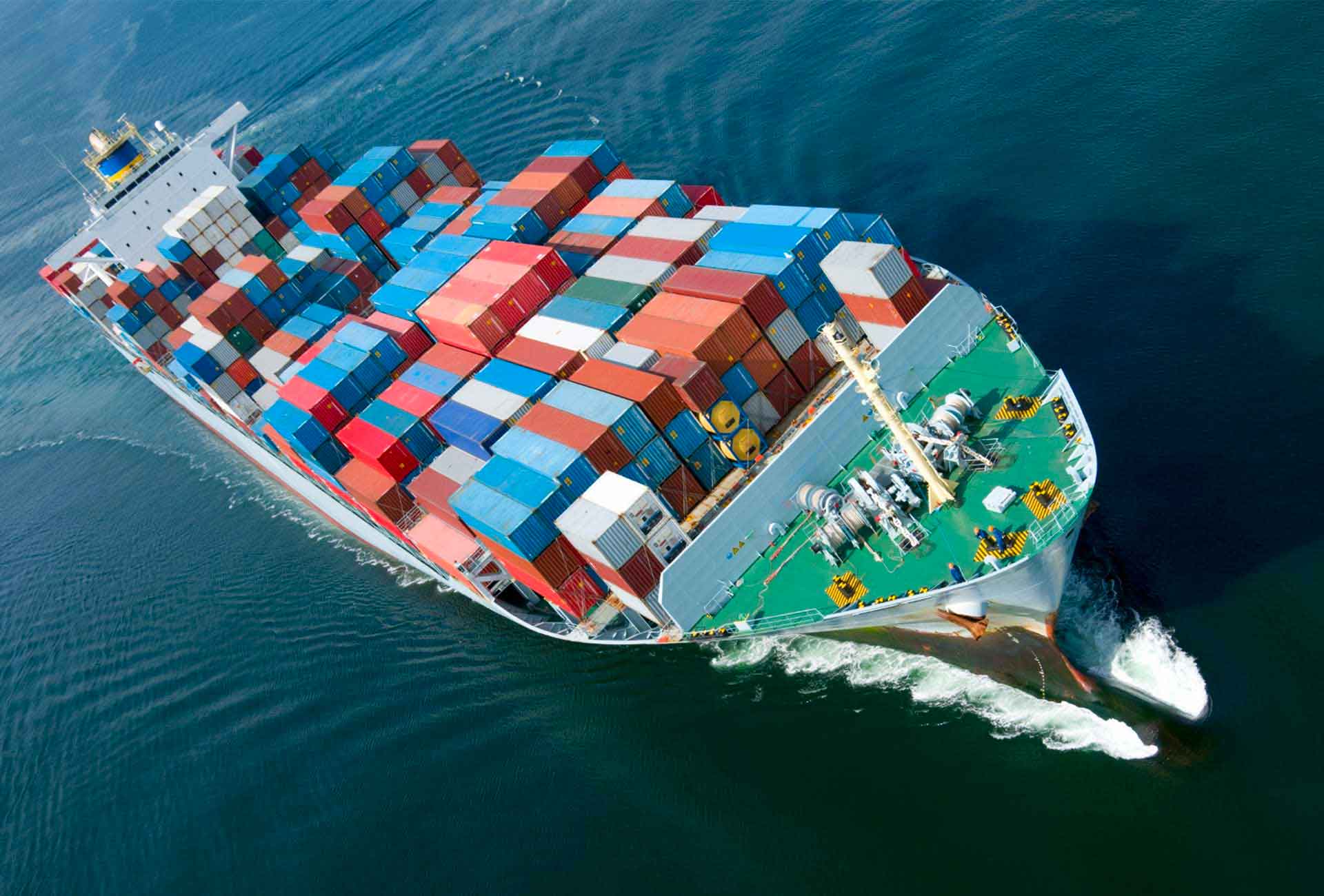
Despite sea and air being standard conveyance methods for shipping perishables internationally, they have distinct differences. A common difference is the time it can take for the carrier to make the delivery. While sea freight may take a few days to weeks, air freight takes a few hours to a few days. An effect is that air freight usually has more significant costs due to quickness and higher fuel prices. Another difference is the capacity of cargo that can move in a trip. With air carriers being significantly smaller than a containership, the cargo volume is much less. The average vessel can carry 3,000 to 20,000 TEUs (Twenty-foot equivalent), depending on its size.
Choosing between air or ocean usually depends on perishable type, size, and urgency. For example, goods with short shelf life, like certain pharmaceuticals, tend to benefit from air transport. The speed also allows for greater flexibility since the departures are more frequent. Shippers of bulk perishable shipments usually use containerships due to their transport volume. Another difference is the environmental impact between the two conveyances. Flights have a higher carbon footprint, emitting nearly 500 grams of CO2, while vessels emit 10 to 40 grams. Despite the difference, both methods are essential in international shipping, with sea recently gaining traction.
The Process Of Shipping Perishables By Sea.
Before starting to ship perishables by sea, an exporter must understand that various precautions and regulations are involved. Depending on the type of perishable, specific packaging with insulation or moisture control should be used for the shipment. When the shipper is ready to ship the cargo, they must find a reliable carrier experienced in perishable shipping. The goods must stay in specialized containers during the journey to prevent damage and spoiling. This can include ventilated, insulated, or refrigerated containers (reefers). The shipper must ensure that all the necessary documentation is correct and correct before reaching the designated port. Some of the paperwork needed for the exportation include:
- Bill of Lading
- Packing List
- Commercial Invoice
- Certificate of Origin
Once customs releases the shipment, the shipper may have a truck transport it to the final destination. Shipping perishables by sea can seem challenging for inexperienced shippers due to the various components. Along with the information in the article, you must understand other parts, such as labeling and insurance. You can use the help of the help of a freight forwarder to simplify the process. Forwarders coordinate the cargo movement and handle all of the requirements on behalf of the exporter. Reach A1 Worldwide Logistics at 305-425-9752 regarding speaking to our forwarders about transporting perishables by air or sea internationally.